The Impact of Prolonged Computer Use on Daily Life
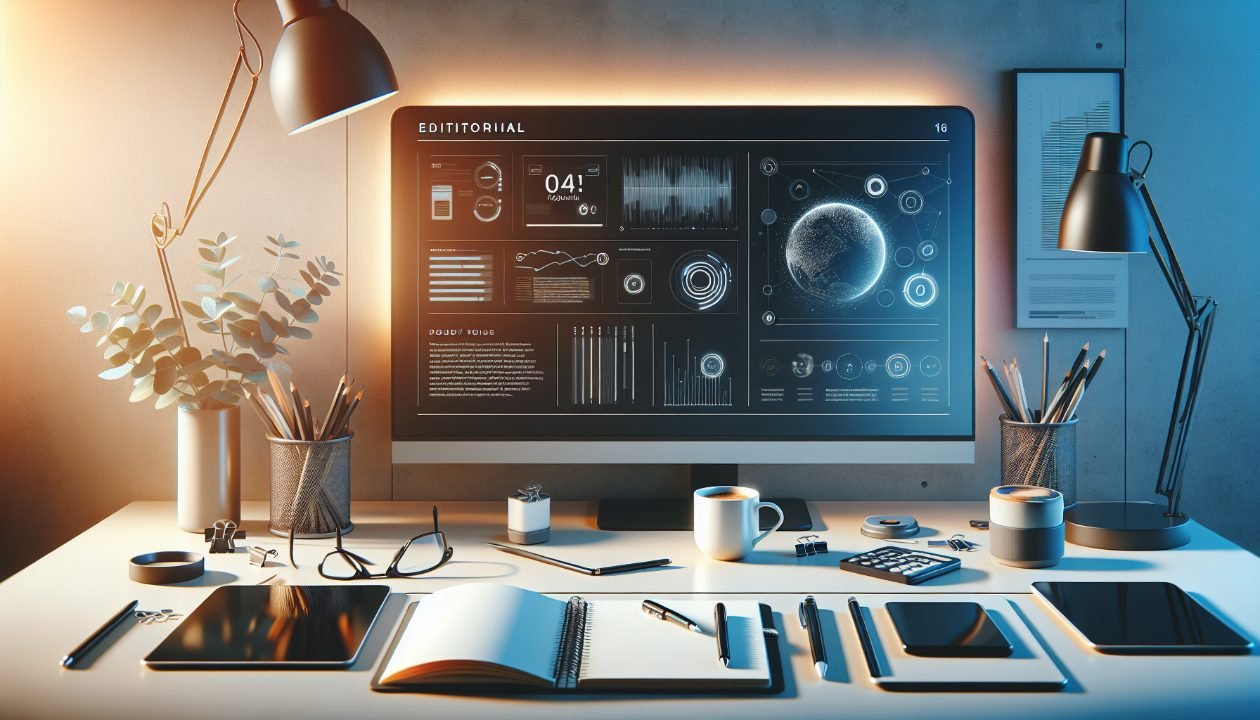
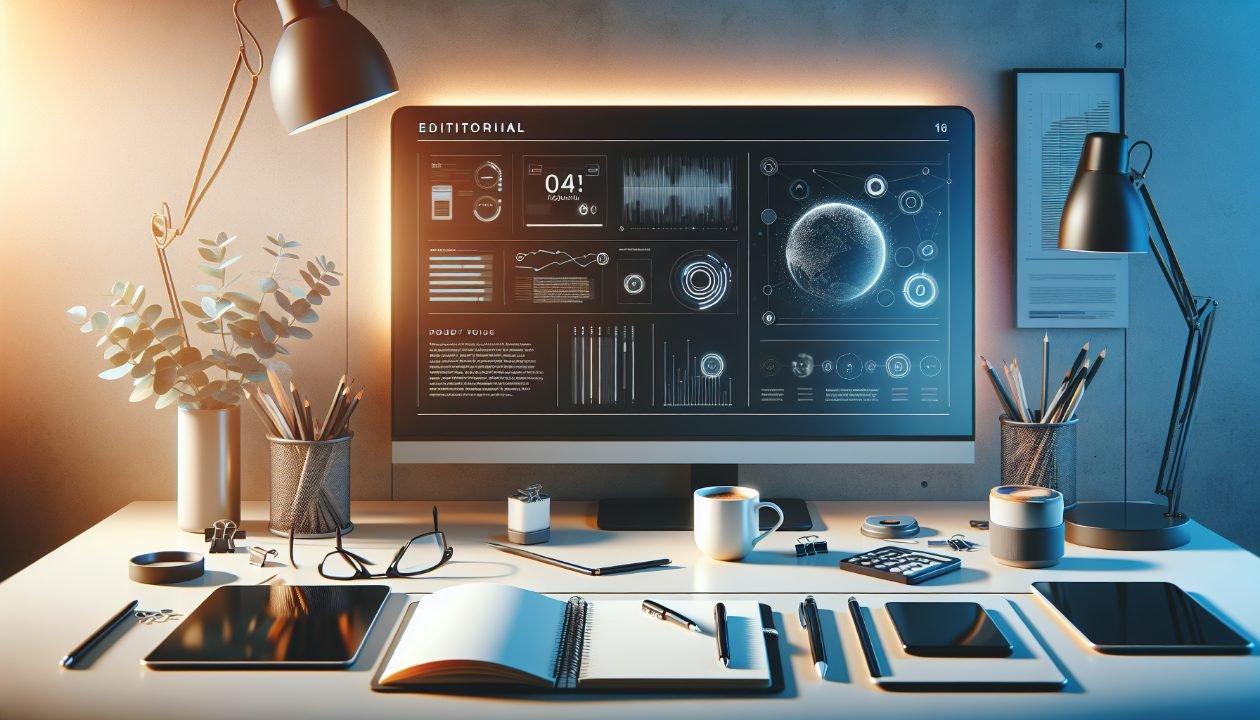
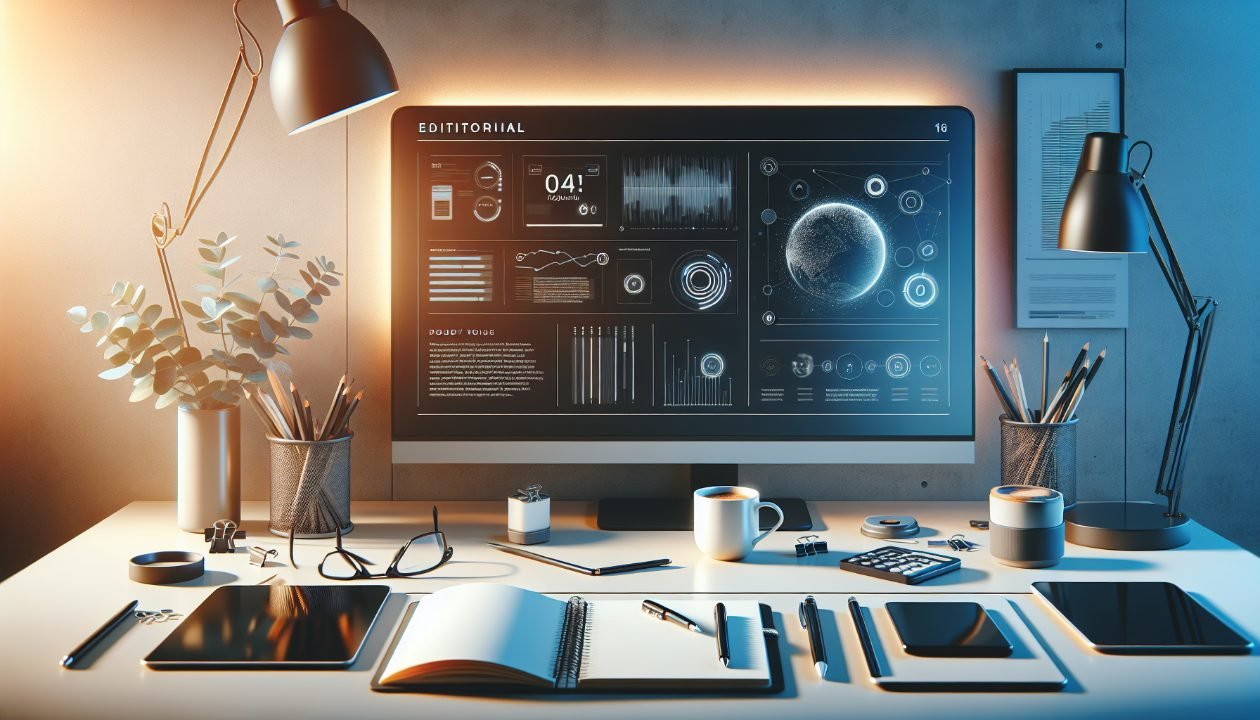
In today’s digitized world, computers are indispensable tools in both our personal and professional lives. The term computer life has emerged to describe the increasing amount of time we spend interacting with digital screens. This article explores the consequences of prolonged computer use and offers insights into maintaining a healthy balance.
Understanding the Effects of Extended Computer Use
Long hours in front of a computer can have multiple effects on both mental and physical health. Below are some of the most common impacts:
- Eyestrain: Staring at a screen for extended periods can cause discomfort and long-term issues like Computer Vision Syndrome (CVS).
- Posture Problems: Poor ergonomic practices can lead to back, neck, and shoulder pain.
- Mental Fatigue: Continuous computer use can lead to mental exhaustion and decreased productivity.
- Social Isolation: High screen time may reduce face-to-face interactions, impacting social skills and relationships.
Strategies for a Healthier Computer Life
To mitigate the negative effects of prolonged computer use, consider implementing the following strategies:
- Optimize Ergonomics: Adjust your workspace to promote a comfortable and healthy posture. Ensure that your monitor is at eye level and your chair supports your back.
- Take Regular Breaks: Follow the 20-20-20 rule; every 20 minutes, look at something 20 feet away for at least 20 seconds. Additionally, take a 5-minute break every hour to walk and stretch.
- Limit Screen Time: Be mindful of your total daily screen time across all devices. Use software tools to track and set limits on your usage.
- Practice Eye Health: Reduce screen brightness to match the ambient lighting in your room and consider using blue light filters.
- Stay Socially Connected: Make conscious efforts to engage in face-to-face interactions daily, balancing online and offline relationships.
Technological Solutions to Enhance Computer Life
Technology not only creates challenges but also provides solutions. Here are a few tools that can help improve your computer life:
- Ergonomic Equipment: Invest in ergonomic chairs, desks, and keyboard setups to maintain proper posture.
- Software Tools: Use applications like Flux to adjust screen brightness automatically or tools like Time Out for break reminders.
- Online Fitness Platforms: Engage with digital platforms that encourage physical activity and offer exercises specifically designed for office workers.
Conclusion
While computers are crucial in modern society, it’s important to be aware of the potential adverse effects associated with their overuse. By adopting a proactive approach to manage screen time and prioritizing physical and mental health, we can enjoy the benefits of technology without compromising our well-being. Embracing both technological aids and lifestyle changes is key to achieving a balanced computer life.